Slots vs Table Games: Which One Is More Intense?
For decades, the image of the casino has been ingrained tentonhammer.com in popular culture as a smoky, fast-paced playground of high stakes tension. The slot machines flashing their colourful lights and the flick of chips across green baize at card tables are staples of this stereotype. But beyond cinema portrayals and the glitz of Vegas, what does everyday gambling really look like, especially in the UK? And within that reality, when we consider intensity — which is more engrossing, slots or table games?
The Casino Stereotype Versus Everyday Gambling Reality
The common stereotype is that gambling is dominated by flashy casinos filled with professional dealers, throngs of players, and the relentless clatter of slot machines. In reality, much of British gambling culture has developed very differently over the decades, often influenced by regulation, availability, and social factors.
Many people’s earliest encounters with gambling in the UK have not been at casinos but at bingo halls — many of which were converted from old cinemas and theatres. These spaces have traditionally served as vital community hubs.
Converted Cinemas and Bingo Halls: More than Just Gambling
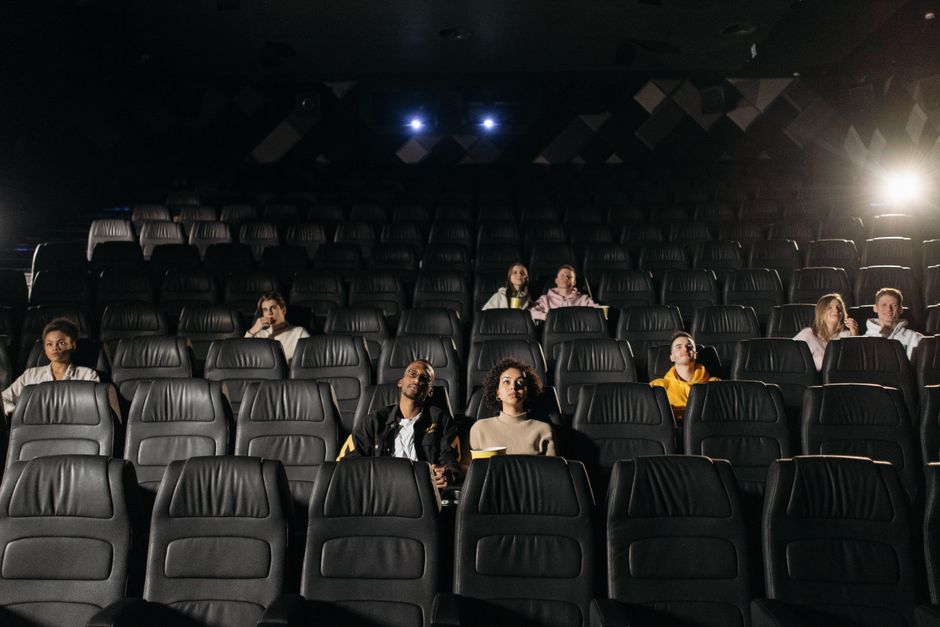
During the mid-20th century, as attendances to traditional cinemas waned and the Betting and Gaming Act 1960 allowed commercial bingo halls to flourish, many abandoned or underused cinemas were transformed into bingo venues. This was an unintended outcome of the Act, which sought to regulate gambling but resulted in the proliferation of accessible social gambling spaces outside of casinos.
Crucially, bingo halls became much more than just places to gamble. They offered a social space particularly cherished by older women, functioning as community centres and spaces for friendship, chat, and social interaction. This contrasts with the impersonal and often isolated experience portrayed in casino settings.
Understanding Intensity: Speed of Play, Software vs Dealer, and Session Control
When we talk about intensity in gambling, it’s important to break down what that means. Intensity can involve:
- Speed of Play: How quickly rounds or spins occur can shape how engrossing the game feels.
- Software vs Dealer Interaction: Whether the game mechanics involve direct interaction with a human dealer or an automated system changes the emotional tension.
- Session Control: The perception of control players have over the length and flow of their gambling session.
Slots: Rapid Play in a Software-Driven Environment
Slot machines epitomise fast-paced gambling. The player initiates a spin often within seconds of the previous one ending, and the software handles all outcomes using Random Number Generators (RNGs). The speed of play in slots is generally much faster than table games, with many online slots capable of completing multiple spins per minute.
This rapidity contributes to an intense burst-like gambling experience. It’s a sensory overload—lights, sounds, and animated visuals designed to heighten arousal and engagement. However, since it's software-driven, there's no human interaction, which can either heighten efficiency or, for some, lessen emotional involvement.
Moreover, online bingo rooms have created hybrid experiences where some slot mechanics (like rapid rounds and bright displays) mingle with community chat features, aiming to replicate that social buzz of bingo halls.
Table Games: The Human Factor and Slower Pace
Traditional table games—roulette, blackjack, poker—are slower by nature. They revolve around a dealer who manages the game rounds, shuffles and deals cards, spins the wheel, or operates the dice. This human element brings a level of unpredictability and emotional connection absent from slots.
The pace is controlled by the dealer and the players, meaning the game unfolds in a measured tempo. While this may translate to a less frenetic experience, it can often produce deeper focus and anticipation.
In live dealer online games, this dynamic is simulated to varying extents. The interaction with dealers and other players (via chat functions) reintroduces a level of social intensity, though still less communal than physical bingo halls.
Session Control: How Much Does the Player Dictate Their Gambling Experience?
Session control differs dramatically between slots and table games. In slot play, players can choose to stop at any moment between spins, or they may engage in autoplay features that further accelerate play and reduce active decision-making. The perceived agency can feel paradoxical—players feel in control but are also often swept along by the speed.

In table games, the group dynamic and dealer rhythm mean players have to match the flow set by others, which can create a different sense of immersion and intensity. Players often have to wait for bets to be placed or for cards to be dealt, which builds anticipation but also slower pacing.
Reevaluating Intensity: Which Game Feels More Intense?
Intensity is not one-dimensional; it depends on what kind of experience the player is seeking:
- For rapid-fire thrills: Slots offer intense bursts of excitement, driven by sensory cues and quick outcomes.
- For emotional tension and social engagement: Table games provide slower, more deliberate intensity influenced by human interaction.
It’s notable that many gamblers across the UK turn to bingo — a form of social gambling that sits somewhere in between. The converted bingo halls that still operate today are a testament to a gambling experience rooted in community, anticipation, and shared excitement rather than pure speed or solitude.
Summary Table: Slots vs Table Games Intensity Factors
Aspect Slots Table Games Speed of Play Very fast; multiple spins per minute Moderate to slow; dependent on dealer and players Software vs Dealer Fully software-driven RNG Human dealer or live dealer interaction Session Control High individual control; can accelerate or autoplay Controlled by group and dealer pace Social Interaction Minimal; online chat possible High; often includes player-dealer and player-player interaction Typical Demographic Wide range; attracts younger players online Varied; often older or experienced players Cultural Context Modern, digital, individualistic Traditional, social, ritualisticConclusion: The Nuanced Landscape of Gambling Intensity
Intensity in gambling is influenced by several factors beyond just the game itself: the environment, pace, interaction level, and cultural context all shape player experience. While slots lead in sheer speed and sensory stimulation, table games foster a different kind of intensity through social engagement and slower buildup.
Understanding the UK's unique gambling history—from seaside arcades to converted bingo cinemas to contemporary online bingo rooms—reminds us that gambling intensity is multifaceted. It is not just about the adrenaline rush but also the social bonds, rituals, and session flow control that players value.
Whether it’s the relentless spin of a slot or the deliberate tension at a green baize table, intensity in gambling ultimately depends on what the player seeks: a fast-paced thrill or a communal, rhythmical engagement. Both have their place in the rich tapestry of British gambling culture.