Why a Team Protecting a Lead Still Matters for the Over Under
When it comes to betting college basketball totals, many casual bettors focus primarily on final scores or rivalries. But anyone who has been around these sidelines as long as I have knows that late-game pace and how a team protects a lead can drastically impact whether a game goes over or under the posted total. Understanding this subtle dance is a must for anyone serious about nailing those college basketball totals.
Final Score vs Betting Outcomes: Why They're Not the Same
One of the biggest myths in sports betting is assuming the final box score tells the whole story. I see tons of chatter on ESPN’s sports betting section and social media platforms where fans celebrate or kick themselves based on just that final number. But here’s a secret: the path to that score is just as important as the number itself when it comes to totals.
Think of it like this—if a team is protecting a lead, the pace often slows down. Shots become more deliberate, fouls may increase as teams try to stop the clock, and possessions grind out instead of flying up and down the floor. This impacts the over/under differently than if both teams had been racing the clock impulsively until the final buzzer.
So next time you're looking at a college basketball total, keep in mind the difference between final score satisfaction and actual betting outcome dynamics.
Point Spreads and Late-Game Meaning: More Than Just Margin
Point spreads tell us who’s favored, but they also offer indirect clues on how a game might wrap up. When a favored team builds a comfortable lead, it influences their strategy—and that bears directly on the late-game pace. The spread itself may seem like a simple number, but the margin during the final minutes affects if the game becomes a sprint or a crawl.
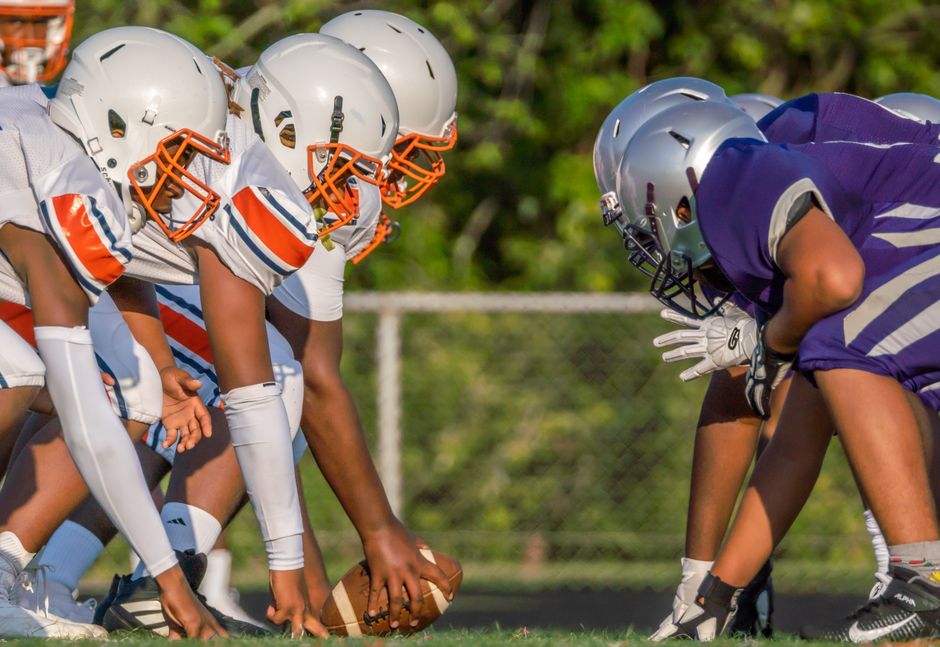
For example:
- If a team leads by 10 or more with 3 minutes left, they often focus on clock management more than scoring quickly.
- If the spread is close or the underdog suddenly tightens the gap, both teams might up tempo to swing momentum or chase a comeback.
- Coaches' tendencies also play a huge role. Some teams are squatters on leads and slow it down, while others push pace regardless of the situation.
Betting enthusiasts should think in these tactical terms rather than just the number on the line. This also plays into what I call the total sweat—those last-minute nail-biters to see if the total pushes over or under.
Totals and Pace in College Basketball: Where the Skinny Lies
College hoops is a pace game in many ways, but some teams bring it down hard when protecting leads. Unlike the pros, NCAA teams have shorter shot clocks (usually 30 seconds), but defensive schemes and substitutions mix things up. It's crucial to examine early-game pace versus what happens once the lead is established.
Late-game pace can drop significantly if a team knows a win is secured. You might see:
- Long offensive possessions consuming precious seconds.
- Increased fouling as the trailing team tries to stop the clock.
- Less full-court pressure or pressing from the leading side.
This dynamic tends to suppress the total, leading to more under plays than you might expect, especially if the oddsmakers haven’t accounted for this behavior fully. A classic example is a team like Baylor or Kansas, who are known for slowing in crunch time when ahead big.
That’s why keeping an eye on line movement and recent history of late-game pace is essential. Betting sites and forums on ESPN tend to headline big games where teams push pace all the way through—those are exceptions, not the rule.
How Matchup Research and Film-Stat Thinking Break It Down
Any seasoned bettor worth their salt isn’t just looking at numbers, they dig deeper with matchup research and film study. This doesn’t mean you need to watch every game from start to finish, but knowing a team’s late-game tendencies based on recent results and their coach’s style is invaluable.
For example:
- Defensive discipline: Some coaches emphasize sealing off key players and slowing the ball, which kills pace.
- Foul management: Teams that get in foul trouble early might play less aggressive defense late, speeding the game up.
- Bench depth: If a team plays a deep bench effectively, they might maintain offensive aggression late, even protecting leads.
Social media platforms like Twitter and sports betting forums are full of insights and spontaneous film breakdowns. Following sharp analysts and even some Big 12 insiders can keep you ahead of line shifts and late-game pace updates. On game days, I always check the line movement again 30 minutes before tip-off to catch any updated insights driven by last-minute news or weather factors.
Putting It All Together: A Practical Checklist
If you want to level up your college basketball total bets, especially in games where leads are being protected, here’s a quick checklist I swear by:
- Identify the likely late-game scenario: Is one team projected to blow out or hold a narrow lead?
- Check team tendencies: How do these teams operate in the last 5 minutes? Recent games, coaching style, and pace stats matter.
- Follow the line movement: Are sportsbooks adjusting totals or spreads late? That often signals something hidden in pace shifts.
- Monitor weather and venue factors: Weird weather games sometimes affect broadcast streams or in-person energy, slightly nudging pace.
- Research matchup history and film notes: If available, get context on how these teams have played down the stretch previously.
Why You Should Care: The Real Edge in Betting College Basketball Totals
When most casual bettors just eyeball numbers or pick based on fandom, they miss the subtle but powerful impact of late-game pace changes driven by protecting leads. It turns a simple total bet into a match with dozens of moving parts. Understanding how a team protects a lead can be the difference between hitting an under bet as the clock winds down or watching your money drain in the last possessions.
Next time you’re locking in a college basketball total, think beyond just points scored. Think pace, think strategy, and think matchups. That’s where the true edge lies.
Stay Sharp, Track Your Notes, and Sweat That Total
As someone who always re-checks line movement 30 minutes before kickoff on football Saturdays and midweek hoops alike, I can’t stress enough: keep notes. Whether it’s a weird weather game or a team known for crunch-time slowdown, defensive matchups having a log of those past experiences will pay dividends. It’s called total sweat for a reason. The last few minutes in college basketball often decide your bet’s fate.
Happy betting, and remember—not all totals are created equal once the lead is on the line.