Why Does a Simple Mechanic Expose Bad Game Design?
In the ever-evolving landscape of mobile gaming, where smartphones and touchscreen interaction dominate, simplicity in game mechanics is not just a necessity—it's an opportunity. However, this simplicity often acts like a magnifying glass, exposing weaknesses in design choices that might be masked in more complex genres or platforms. Understanding why a simple mechanic can lay bare bad game design is crucial for developers and players alike.
The Mobile Context: Short Attention Windows and Session-Based Play
Smartphones are always on, always with us, and often used in short bursts. This means mobile games inherently cater to short attention spans and session-based gameplay. Players expect quick gratification and intuitive interactions. Complex onboarding or cluttered HUDs kill engagement fast.
- Short Sessions Demand Instantly Graspable Mechanics: Players rarely have time for long tutorial sequences or slow-paced gameplay on mobile. They want to tap, swipe, or drag with immediate feedback.
- Interruptions Are Frequent: Incoming notifications or simply putting a phone down mid-game requires mechanics that work well in brief chunks.
In this context, a simple mechanic is not a limitation; it’s a feature that aligns perfectly with the mobile playstyle. But if simplicity reveals bad game design, what does that look like?
Simplicity as a Feature, Not a Limitation
Simple mechanics—such as tap-to-drop, swipe-to-aim, or drag-to-position—work best when they focus on game feel and core interaction. The best mobile games often distill their gameplay down to one or two intuitive actions wrapped in compelling feedback loops.
Good design leverages simplicity to:
- Enhance Responsiveness: When players engage directly with touch targets sized for thumbs, they don’t have to think twice about their next move.
- Highlight Clear Goals and Feedback: The outcome of an action should be understood immediately, fostering a satisfying game feel.
- Reduce Cognitive Load: No sprawling menus or layered mechanics requiring lengthy explanations.
Conversely, bad game design often tries to add complexity or misleading features to mask a shallow or unfun core mechanic. With a simple mechanic, these flaws become impossible to ignore.
Plinko: A Model of Clear Mechanics and Intuitive Design
Consider the timeless simplicity of the Plinko game. A player drops a ball or disc from the top of a pegged board; it bounces unpredictably down into slots with different rewards. The core interaction is a single tap or drop—nothing complicated.
Aspect Plinko Model Mobile Game Equivalent Core Mechanic Tap to drop ball, watch physics unfold Single tap to initiate game action with visible cause-effect Game Feel Ball bounce sounds, smooth animation, satisfying randomness Responsive animations, tactile feedback, clear outcomes Depth Strategy in where to drop based on board layout Skill or luck elements combined with meaningful choices User Interface Minimal; focus on board and ball Clutter-free HUD, large touch targetsPlinko’s simple mechanic exposes bad design when replicated poorly. For example:
- Unresponsive taps that make players wonder if their input registered
- Small buttons near edges that are hard to hit on cramped mobile screens
- Cluttered overlays or pop-ups blocking the view of the falling ball
- Long, unskippable tutorials explaining such an obvious mechanic
Mobile Screen Space and Touch Targets: The Unsung Design Challenge
On smartphones, screen real estate is precious and touch is imprecise, especially when players use thumbs in portrait mode. This means even the simplest mechanic needs thoughtful UI design to casual gambling-style games avoid frustration. Tiny buttons, cramped controls, or too many simultaneous on-screen elements undermine game feel and responsiveness immediately.
Best practices to keep in mind include:
- Large Enough Touch Targets: Make primary interactive elements at least 48x48dp (Density-independent Pixels), to suit thumb taps comfortably
- Simple HUDs: Only show essential information during gameplay; avoid distracting pop-ups
- Optimized Layouts: Prioritize core interaction areas over secondary menus
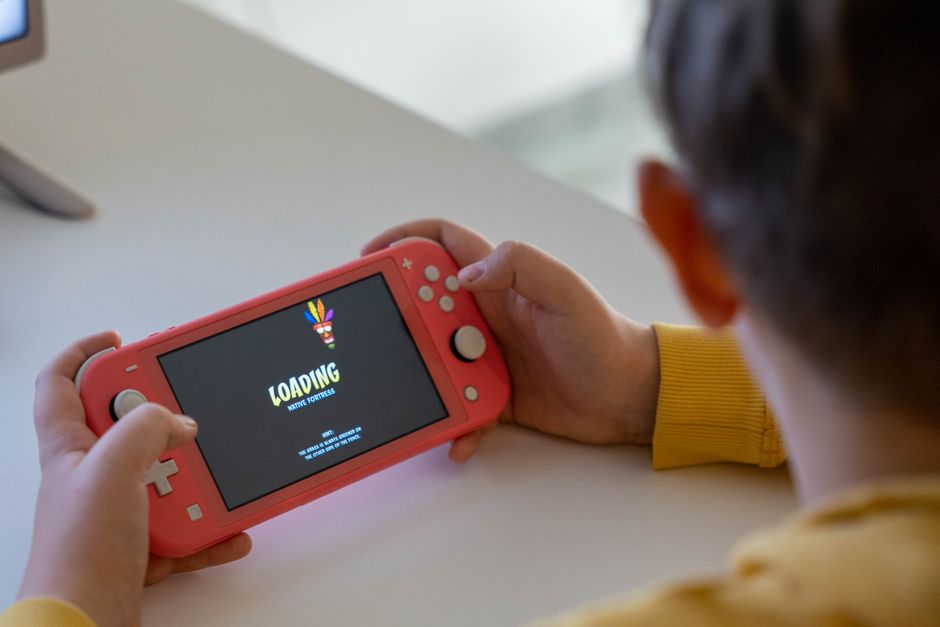
- Fast Loading Times: Don’t frustrate players with delays before they even tap the first button
Diagnosing Bad Game Design Through the Lens of Simple Mechanics
If your mechanic is simple, yet engagement is low or players drop out early, consider these questions:

- Is the core interaction feeling responsive and rewarding? Laggy or unpredictable controls destroy trust.
- Are touch targets appropriately sized and placed on screen? Tiny or inconvenient buttons increase errors and annoyance.
- Does the interface avoid overwhelming players with unnecessary elements? Clutter distracts and slows down decision-making.
- Are tutorials minimal and contextual? Long intros for obvious mechanics kill momentum.
- Is the game feel satisfying with feedback cues? Visual and audio responses to actions maintain player delight.
Failing in any of these often means the simple mechanic is showcasing bad game design rather than its intended elegance.
Conclusion: Embrace Simplicity, Refine Responsiveness
Smartphones and touchscreen interaction naturally push games toward simple mechanics due to short session lengths and small screens. This simplicity should be celebrated as a powerful design feature that emphasizes game feel, core interaction, and responsiveness.
However, simplicity also ruthlessly exposes bad game design conventions—poor responsiveness, cluttered interfaces, inadequate touch targets, and excessive tutorials become glaring when stripped of complexity. By learning from models like Plinko, which balances elegant simplicity with satisfying feedback and strategic depth, developers can turn simple mechanics into deeply engaging experiences.
Ultimately, the key to a great mobile game lies not in complicated systems but in a simple, well-executed core mechanic that respects the nuances of touchscreen interaction and the realities of mobile play styles.